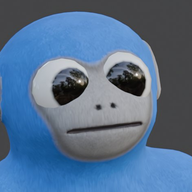
Gilla VR Servers Down: Understanding the Recent Attacks and Security
Explore recent community reports on gilla vr servers being targeted by DDoS attacks, how multiplayer VR security works, and steps to protect your sessions.
Introduction to the Recent Gilla VR Servers Disruption
Navigating the immersive world of virtual reality can suddenly grind to a halt when technical issues arise, leaving players wondering what went wrong. Recent community reports indicate that gilla vr servers experienced significant disruptions due to malicious DDoS activity, impacting online multiplayer experiences across the board. For avid virtual reality enthusiasts, understanding how these incidents affect gilla vr servers is crucial for maintaining a smooth and secure gaming session.
Virtual reality platforms rely heavily on stable network infrastructures to synchronize movements, voice chat, and physics engines in real-time. When bad actors disrupt these online environments, it not only halts gameplay but also raises important questions regarding online security in modern multiplayer gaming. In this article, we will break down what happened, examine the nature of these network disruptions, and provide actionable tips for navigating server downtime.
Community Reports and Server Status Overview
According to recent community discussions and social media player experiences, unexpected connection drops have become a major talking point among users. Players attempting to log into matchmaking lobbies or join friends found themselves facing sudden disconnects.
Player experience logs highlight that online multiplayer connectivity dropped significantly during peak hours. While developers work around the clock to restore stability, understanding these patterns helps the community stay informed about ongoing server maintenance and security patches.
What is a DDoS Attack and How Does It Affect VR Games?
Distributed Denial of Service (DDoS) attacks are malicious attempts to disrupt normal traffic of a targeted server, service, or network by overwhelming the target with a flood of internet traffic. In the context of gilla vr servers, such attacks flood the host infrastructure with fake connection requests, choking bandwidth and preventing legitimate players from connecting.
Because virtual reality titles require continuous, low-latency data transmission for head tracking and spatial audio, even a minor disruption in network traffic can result in severe rubberbanding, freezing, or complete disconnection.
Comparing VR Multiplayer Infrastructure Security
Protecting online infrastructure requires robust cybersecurity measures. Game developers utilize various cloud-based mitigation services to defend gilla vr servers and other multiplayer platforms against sudden malicious spikes in traffic.
Implementing advanced protection layers ensures that even when malicious actors attempt to overwhelm the system, automated filters can isolate bad traffic and maintain uptime for legitimate users. For more insights into digital security practices, you can visit the Electronic Frontier Foundation to learn about network defense and online privacy.
Best Practices for Gamers During Server Outages
When multiplayer servers face unexpected downtime, knowing how to handle the situation can save you time and frustration. Instead of repeatedly attempting to log in—which can further strain recovering networks—players should follow a structured troubleshooting approach.
By practicing patience and staying updated through community forums, players can help alleviate network congestion while developers apply necessary patches.
Frequently Asked Questions
Are the gilla vr servers permanently shut down?
No, community reports and developer updates indicate that the recent disruptions were temporary and caused by external network attacks rather than a permanent closure. Maintenance teams actively work to restore full functionality.
How can I check the live status of gilla vr servers?
You can monitor official social media channels, community Discord servers, and meta-xr discussion groups where players and moderators share real-time updates regarding server uptime and maintenance schedules.
What should I do if I keep getting disconnected from matches?
If you experience persistent disconnections, check your local internet connection, restart your headset, and verify whether other players are reporting similar issues to determine if it is a server-side problem.
Do DDoS attacks compromise my personal data?
Generally, a standard DDoS attack targets server availability and bandwidth rather than individual user databases. However, always ensure you use strong, unique passwords for all your gaming accounts.
Related Guides
How to Join and Set Up a Gilla VR Private Room for Your Friends Easily
Learn how to join and configure a gilla vr private room smoothly with our complete community-focused multiplayer gaming guide.
Join the Gilla VR Discord Community: Ultimate Multiplayer Horror Guide
Connect with players, share strategies, and survive the terrifying multiplayer VR horror game with our ultimate gilla vr discord and community guide.
Join the Ultimate Gilla VR Discord Server for Multiplayer Horror Tips
Discover how to connect with players on the official gilla vr discord server, master intense Meta Quest multiplayer horror mechanics, and survive.